

Blog
Savoury Baking at Home: Beginner Tips for Breads and Bakes

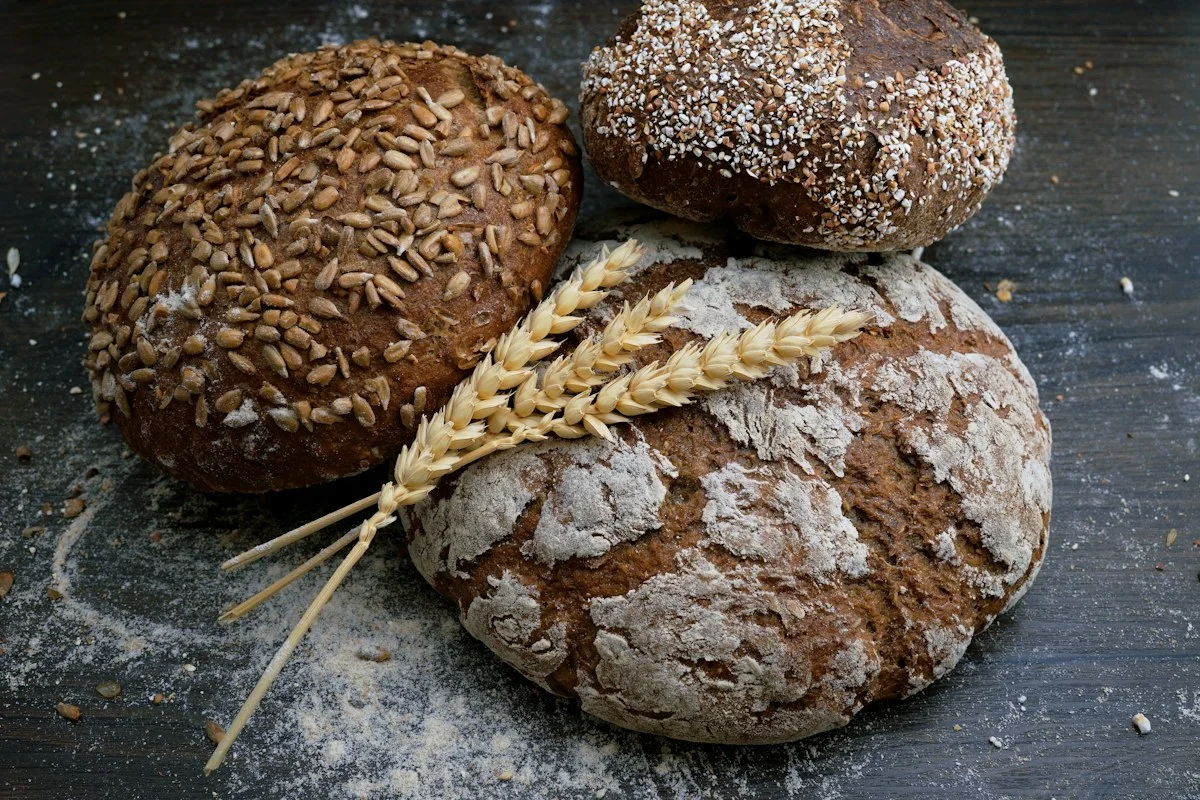
Baking savoury breads and bakes at home is easier than most people think. When I moved to London, I started baking much more than I ever had in India, because most Indian home cooking happens on the hob, and a proper oven was a new adventure for me. My first loaf was a little flat, my second was a little dense, and by the tenth I started to understand what I was doing. Cornbread, cheese loaves and herb bakes need only simple ingredients and a few good habits. Use these beginner tips to bake with confidence.
Know your oven
Every oven behaves a little differently. Some run hot, some cool, some have hot spots at the back. An oven thermometer is a small, useful investment that tells you the real temperature. Learn where your oven browns fastest, and rotate your tin halfway through baking for an even colour. If your bakes always brown too quickly on top, lower the shelf position or cover loosely with foil.
Measure carefully
Baking is chemistry, so accurate measurements matter. If you can, weigh flour on a kitchen scale instead of using cups. Spoon flour into a measuring cup and level it off rather than scooping, which packs in too much and leads to dry, heavy bakes. For small amounts of baking powder, soda or salt, use proper measuring spoons and level them off.
Preheat the oven properly
Give your oven at least 15 to 20 minutes to reach the right temperature. Putting a bake in a half-hot oven affects the rise and the crust. Place the tin in the middle of the oven for the most even heat, and avoid opening the door in the first half of baking, since sudden drops in temperature can make bakes sink.
Do not overmix quick breads
For cornbread, muffins and similar bakes, stir the wet and dry ingredients together just until combined. A few lumps are fine. Overmixing develops gluten and makes the crumb tough. Mix the dry ingredients in one bowl and the wet in another, then fold them together gently with a spatula.
Use room-temperature ingredients
Eggs, butter and milk at room temperature blend more evenly and give a better rise and texture. Take them out of the fridge about 30 minutes before you start. If you forget, place whole eggs in a bowl of warm water for five minutes, and warm milk gently in short bursts.
Understand your raising agents
Baking powder and baking soda are not interchangeable. Baking powder already contains an acid and activates with moisture and heat. Baking soda needs an acid in the recipe, such as yogurt, buttermilk or lemon juice. Check that they’re fresh by testing a small amount in warm water or with vinegar, and watch for fizzing. Old raising agents are a common reason for flat bakes. For yeast breads, make sure the water is warm, not hot, because heat that’s too high kills the yeast.
Grease and line your tin
Brush the tin with butter or oil and line the base with baking paper so the loaf releases cleanly. A hot, lightly greased cast-iron pan also gives cornbread a crisp, golden crust. For loaves, leave an overhang of paper on the sides so you can lift the bake out neatly.
Check for doneness
- Insert a skewer into the centre. It should come out clean or with a few dry crumbs.
- The top should be golden and spring back lightly when pressed.
- For yeast breads, tap the bottom of the loaf. It should sound hollow.
- Rest the bake in the tin for 10 minutes before turning it out, then cool on a wire rack so the base doesn’t turn soggy.
Make it your own
Once you’re comfortable with the basics, add grated cheese, chopped herbs, chillies, sweetcorn, olives, sun-dried tomatoes or spices to give a simple bake your own twist. In my kitchen, a pinch of ajwain (carom seeds) or cumin, with a little grated cheddar, turns a plain loaf into something that tastes like home. Keep additions to about a cup in total, so the structure of the bake isn’t weighed down.
Common baking problems
- Dense bake: too much flour, overmixing or old raising agent.
- Sunken middle: the oven door was opened too early, or the bake wasn’t cooked through.
- Dry crumb: overbaked, or too much flour was used.
- Pale crust: the oven was too cool, or the shelf too low.
- Burnt top, raw centre: the oven was too hot. Lower the temperature and extend the time.
Storing your bakes
Keep cooled savoury loaves wrapped in a clean cloth or in an airtight container for up to two days. For longer storage, slice and freeze them, then toast slices straight from frozen. Bakes with fresh cheese or vegetables are best eaten within a day or two and kept in the fridge.
Browse our cooking methods for more baking ideas, and try pairing a warm loaf with a bowl of soup or a spread from my Mediterranean breakfast ideas.