

Blog
How to Build the Perfect Mezze Platter

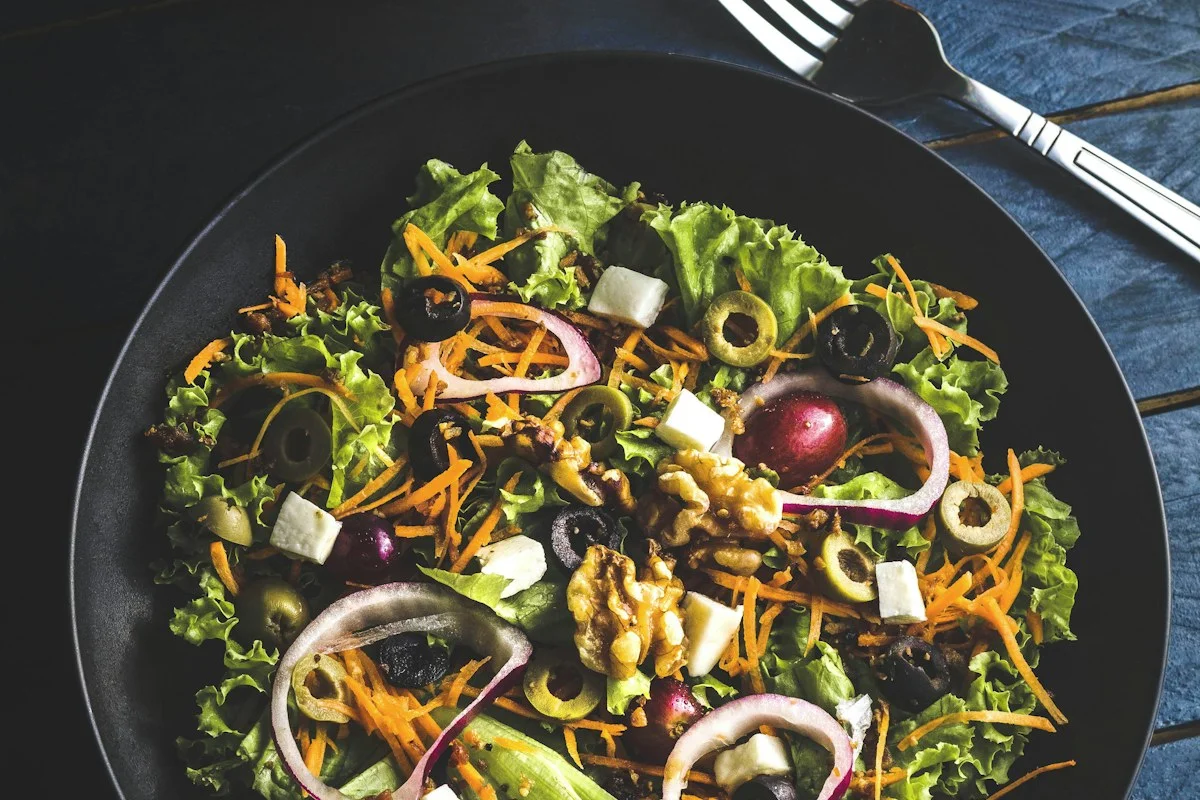
A mezze platter is one of the easiest and most impressive ways to feed a crowd. Popular across the Middle East and the eastern Mediterranean, mezze is a spread of small dishes meant for sharing, grazing and conversation. When I first moved to London, I was fascinated by the Turkish, Lebanese and Greek grocers near my home, with their glossy olives, warm bread and tubs of creamy dips. A mezze table quickly became my favourite way to welcome friends, because it asks very little of the cook and delivers so much.
Here’s how to build a platter that looks beautiful, tastes balanced and can be mostly prepared ahead.
What is mezze?
The word mezze comes from a Persian word meaning “to taste”. It isn’t one dish but a style of eating: lots of small plates of different colours, textures and flavours, served together. In Lebanon, Turkey, Greece and beyond, mezze can be a light starter or a full meal, often served slowly with good company.
Start with the dips
Hummus, baba ganoush (smoky roasted aubergine) and labneh or thick yogurt form the creamy base of any platter. Spoon each into a shallow bowl, swirl the top with the back of a spoon, then drizzle with good olive oil and finish with paprika, sumac or fresh herbs. Three dips is a lovely number: one chickpea-based, one smoky and one cool and tangy.
If you have time, make your own hummus. It’s far creamier than shop-bought, and my hummus recipe takes about ten minutes. Blend the chickpeas while they’re warm, and add ice-cold water a spoonful at a time for the smoothest result.
Add something fresh
Tabbouleh, a bright salad of parsley, tomato, mint and bulgur, balances the richness of the dips. A bowl of sliced cucumber, radishes and cherry tomatoes adds colour and crunch. Fresh, juicy vegetables also give your guests a lighter option between bites of bread and cheese. A squeeze of lemon over everything keeps the flavours lively.
Include warm, crispy bites
Falafel, stuffed vine leaves, small pastries or grilled halloumi give the platter warmth and variety. Serve them hot if you can, as the contrast between hot and cold is part of the pleasure. My air fryer falafel is a quick, lighter option that stays crisp outside and soft inside.
Pickles, olives and cheese
Salty, sour and briny flavours make everything else taste better. Add green and black olives, pickled vegetables such as turnips and chillies, and a few cubes of feta drizzled with olive oil. These items are ready to serve straight from the jar, which makes them wonderful time-savers.
Don’t forget the bread
Warm pita or flatbread is essential for scooping. Cut it into wedges and keep it covered with a clean cloth so it stays soft. You can warm it briefly in the oven or on a dry pan just before serving. Crisp pita chips and sesame breadsticks add a lovely crunch alongside.
Something sweet to finish
End with a small plate of dates, dried apricots, figs and a few pieces of baklava or halva. A glass of mint tea or strong coffee rounds off the meal beautifully, and it gives guests a reason to linger.
Arranging tips
- Use a large board or wide platter with small bowls for the dips, so the layout feels intentional.
- Group foods by colour, so the platter looks vibrant. Place green next to red and white next to orange.
- Fill gaps with herbs, nuts or dried fruit for a generous, abundant look.
- Vary heights and shapes, by using bowls, plates and a wooden board together.
- Serve most items at room temperature, with a few hot dishes to keep things interesting.
Make-ahead plan
The best part of mezze is how much you can do in advance. Dips taste even better after a few hours in the fridge, so make them the day before. Chop vegetables in the morning and keep them in cold water or damp cloths. Pickles, olives and cheese need no cooking at all. On the day, you only need to warm the bread and cook the hot items.
Dietary notes for your guests
Mezze is naturally flexible. Hummus, baba ganoush, falafel, tabbouleh and vegetables are vegetarian, and many are vegan. If you have guests with allergies, remember that tahini (sesame) and nuts appear in many dips and sweets, and gluten is in the bread and bulgur. A small label next to each dish takes seconds and is much appreciated.
Want to explore more? Browse our cuisines for Middle Eastern, Lebanese and Mediterranean recipes, and read my Mediterranean breakfast ideas for more small-plate inspiration.