

Blog
What Is an Indian Thali? A Guide to the Balanced Meal

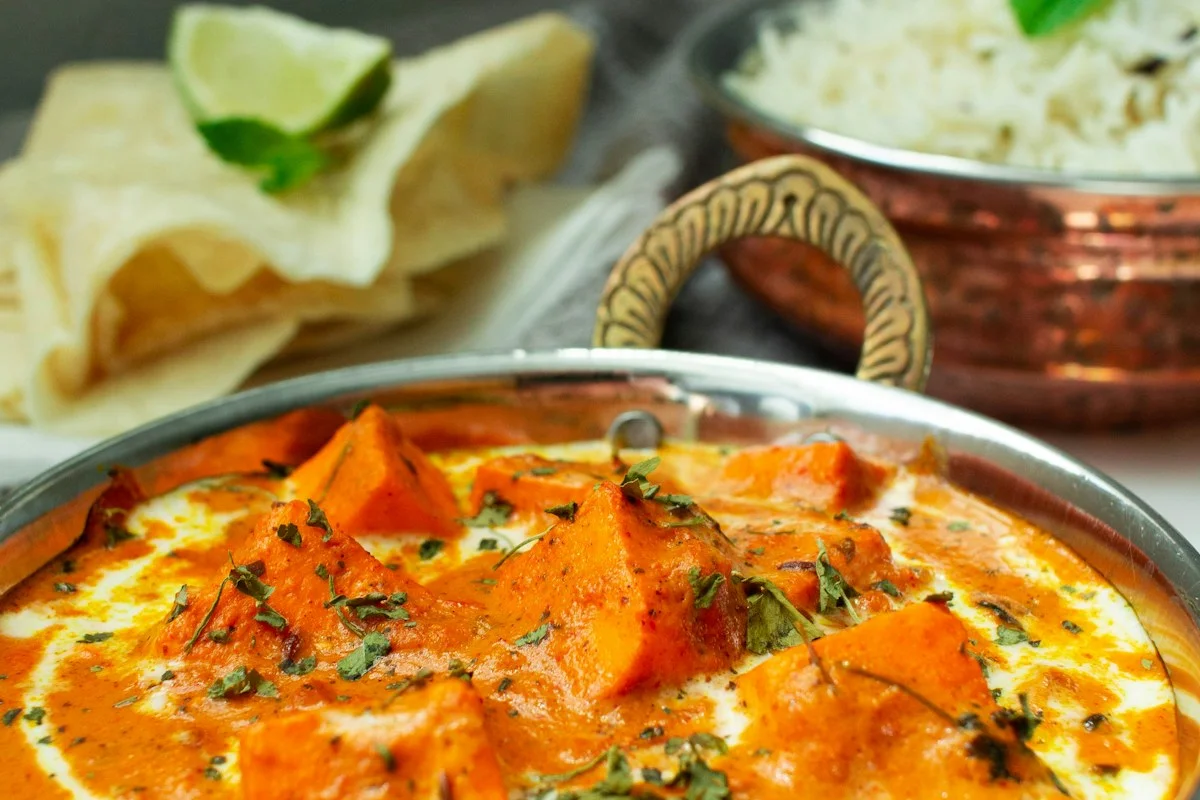
If you have ever been served a large round platter with many small bowls on it, you have met the Indian thali. More than just a meal, a thali is a way of eating that balances flavours, textures and nutrition on a single plate. For me, it’s the taste of home: the dinner my aai put together on busy weeknights, and the festive spread that appeared on special days. In London, building a thali is still one of the most comforting things I do.
In this guide, I’ll explain what a thali is, why it works so beautifully, how it varies across India and how you can build one in your own kitchen without cooking for hours.
What is a thali?
The word thali simply means “plate”. It usually refers to a round metal tray, often stainless steel, holding a variety of dishes in small bowls called katoris. A thali can be as simple as a family dinner or as grand as a wedding feast. The idea is the same: a complete meal in which each element complements the others.
What is on a thali?
A typical thali includes a main grain such as rice or flatbread (roti, chapati or naan), one or two dals or curries, a dry vegetable dish, a yogurt-based side like raita, a pickle, a chutney, a crunchy papad and often a small sweet to finish. Some thalis also include a salad, a soup or a fried snack.
Why it works
A thali is designed around balance. Each bowl brings something different: creamy, spicy, tangy, crisp, sweet. Together they cover the six traditional tastes in Indian cooking: sweet, sour, salty, bitter, pungent and astringent. Eating a little of everything keeps the meal interesting and satisfying, and it naturally includes grains, pulses, vegetables and dairy in one sitting.
It also encourages mindful eating. Because the portions are small and varied, you eat slowly and enjoy each flavour, rather than finishing one large serving of a single dish.
Regional styles
- Maharashtrian thali: varan bhaat (plain dal and rice with ghee), bhaji, koshimbir (a fresh salad), chapati and a sweet like puran poli or shrikhand. This is the thali I grew up with.
- Gujarati thali: a mix of sweet and savoury dishes, farsan (snacks), kadhi and a variety of vegetables, often with a touch of jaggery.
- South Indian meals: rice served with sambar, rasam, poriyal (dry vegetables), curd and papad, often on a banana leaf.
- North Indian thali: dal, paneer or vegetable curry, naan or roti, rice and raita.
- Rajasthani thali: dal baati churma, gatte ki sabzi and kadhi, rich and hearty dishes suited to the desert climate.
- Bengali thali: rice with shukto (a bitter vegetable dish), dal, fish curry and a sweet such as mishti doi.
How to eat a thali
Traditionally, a thali is eaten with the right hand, mixing small portions of different dishes with rice or breaking pieces of bread to scoop them up. There’s no single right order, but many people begin with dal and rice, move on to vegetables and bread, and end with yogurt or buttermilk, which helps digestion. Sweets can come first, last or alongside, depending on the region and family custom.
How to build one at home
- Pick a base: rice, roti or both.
- Add a dal or lentil dish for protein. A simple tadka dal is perfect.
- Add one vegetable curry and one dry vegetable. Contrast is key, so pair something saucy with something dry.
- Include something fresh, like raita or a simple cucumber and tomato salad.
- Finish with a pickle or chutney and a small sweet.
A sample weeknight thali
Here’s a combination I often make when I’m short on time: jeera rice, a quick yellow dal, aloo gobi (potato and cauliflower), cucumber raita, a spoonful of mango pickle and a papad toasted over the flame. Most of it can be cooked at the same time in about 45 minutes, and everything is served in small bowls. For something richer, add my palak paneer or a plate of warm naan.
Thali tips for beginners
- Cook in parallel. Start the dal first, then prepare the vegetables while it simmers.
- Keep portions small. A thali is about variety, not quantity, so don’t cook huge amounts of each dish.
- Use shop-bought extras. A good pickle, papad and sweet save time without losing the spirit.
- Serve in small bowls. Any small bowls will do, and the presentation makes a weeknight dinner feel special.
- Plan leftovers. Dal and curries taste even better the next day.
You do not need to cook everything from scratch every day. A few well-chosen dishes, served in small portions, are enough to make a dinner feel special. Explore our Indian recipes to start planning your thali, and tell me about your own favourite combination through the contact page.
3 thoughts on “What Is an Indian Thali? A Guide to the Balanced Meal”